Carta Regionale dei Servizi
Sistema Informativo Socio Sanitario
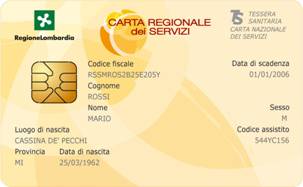
Manuale d’uso CRS Manager
Www.pappu Mobi Desi Aunty.com
The traditional Indian kitchen is a sacred space. Specific customs govern how food is prepared and consumed. : Whole spices are freshly ground daily.
Indian cuisine is highly regional, dictated by local climate and agriculture.
Originating from royal kitchens, dum involves sealing a heavy-bottomed pot with dough and cooking the contents over a very slow fire. This traps the steam, forcing the ingredients to cook in their own juices and absorb the full essence of the spices. Www.pappu Mobi Desi Aunty.com
Fresh fruits, vegetables, grains, and dairy. These promote clarity, back health, and calmness.
In Indian society, food is the ultimate expression of love, community, and hospitality. The ancient Sanskrit phrase Atithi Devo Bhava translates to "The guest is equivalent to God." This philosophy governs how visitors are treated; no one leaves an Indian home without being offered at least a cup of spiced chai and sweets, if not a full, multi-course meal. The traditional Indian kitchen is a sacred space
The Soul of the Indian Table: Lifestyle and Culinary Traditions
Indian lifestyle and cooking traditions offer a timeless blueprint for conscious living. It is a system where the kitchen serves as the heart of the home and the first pharmacy. By balancing taste with health, respecting seasonal cycles, and treating cooking as an act of love and community, Indian culinary traditions transform the simple act of eating into a profound celebration of life. If you would like to explore this topic further, tell me: Indian cuisine is highly regional, dictated by local
North Indian cuisine is heavily influenced by its cold winters and historical Persian and Mughal interactions. Wheat is the staple grain, consumed as various flatbreads like roti , naan , and paratha . The region is famous for its rich, creamy gravies made from tomatoes, onions, cashews, and dairy products like ghee, cream, and paneer. Iconic dishes include Butter Chicken , Dal Makhani , and Chole Bhature . South India: Rice, Coconut, and Tangy Spices
While urban lifestyles have introduced fast food and time-saving appliances, there is a powerful counter-movement returning to ancestral roots. Organic farming, the revival of ancient grains like millets (sorghum, ragi, pearl millet), and the conscious rejection of processed oils in favor of cold-pressed oils or A2 ghee are reshaping modern Indian kitchens.
[2] Nel certificato di una CNS (e dunque anche in quello della CRS), il campo “Key usage” del certificato assume valore “Digital Signature”, mentre nel certificato di una carta capace di apporre firme legali la valorizzazione è “Non repudiation”.
[3] CNIPA: Centro Nazionale per Informatica nella Pubblica Amministrazione.
[4]
Per gli utenti che usano Firefox o altri browser
alternativi a Internet Explorer: as
[5] Si noti che le immagini sono riportate nel documento a
titolo di esempio, dunque non sono vincolanti (succes
[6]
Il formato PKCS#7 è descritto nel documento RFC
2315, acces
[7]
Negli esempi a seguire,
6 CRS Manager non vieta
la pos
[8] A patto che il file firmato rispetti lo standard PKCS#7.
8 In tal caso
9 CRS Manager non vieta
la pos
[9]
I certificati contenuti nelle CRS di Regione
Lombardia sono emes