Given the sophistication of new RDP brute-forcing tools, relying on a simple password is not enough. You must implement a multi-layered defense strategy: 1. Disable RDP Access if Not Required
Sensitive customer data, intellectual property, and financial records can be downloaded in minutes. ⚡ Resource Hijacking
Once successful, the attacker gains full RDP access, allowing them to install ransomware, steal data, or sell access to other cybercriminals.
The tool is reportedly written in C# , though research suggests it may utilize native DLLs or forked projects like FreeRDP for its core scanning capabilities.
Disclaimer: This article is for educational purposes, helping system administrators and cybersecurity professionals understand threats to better protect their infrastructure. If you'd like, I can: Help you to block RDP attackers. Explain how to set up MFA for Remote Desktop Services. Suggest automated tools to detect brute-force attacks.
Enable NLA on all Windows machines. NLA forces the client to authenticate before a full remote desktop session is created, drastically reducing the resource exhaustion caused by brute-force tools. 3. Strict Account Lockout Policies
[Attacker Node] │ ▼ (Mass Scan for Port 3389) [Target Network Exposure] │ ▼ (RDP Brute z668 Executed) [Credential Guessing via Password Transformation] │ ▼ (Successful Login) [Malicious Service Installation (e.g., FileService)] │ ▼ [Lateral Movement & Ransomware Deployment] Technical Analysis of Password Transformations
Remote Desktop Protocol (RDP) has become an essential tool for administrators and users alike, allowing for remote access to computers and networks. However, this convenience has also led to a surge in RDP brute force attacks, which can compromise the security of your network and put sensitive data at risk. In this article, we'll explore the threat of RDP brute force attacks, their consequences, and most importantly, how to protect your network using the latest RDP brute force protection tools, specifically RDP Brute Z668 New.
The "RDP Brute Z668" is an obsolete tool designed for a security landscape that largely no longer exists.
Traditional security measures, such as firewalls and intrusion detection systems, are not sufficient to prevent RDP brute force attacks. These measures focus on blocking known malicious IP addresses or detecting generic attack patterns, but they often fail to detect sophisticated attacks. Machine learning-based approaches have shown promise in detecting anomalies in network traffic, but they require careful tuning and can generate false positives.
Once a correct credential pair is found, the tool flags the IP, username, and password. This successful login is saved to a "success log." The attacker can then manually log in or sell these credentials on Initial Access Broker (IAB) marketplaces. The Consequences of a Successful Breach
Defending against modern RDP brute-force campaigns requires more than just a strong password. Current best practices emphasize layered defense :
These tools are built for high-throughput scanning. Threat actors deploy them on Virtual Private Servers (VPS) or compromised botnets to scan millions of public IP addresses simultaneously, looking for open RDP ports to compromise. How RDP Brute-Force Attacks Work

 Automation Systems
  Motion & Power Solutions
  Safety, Vision and IDENT
  Sensing Solutions
  Control Components
  Switching & Accessories
 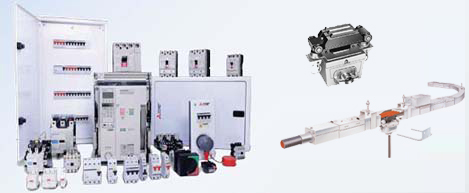 Switchgear and Trolley Systems
 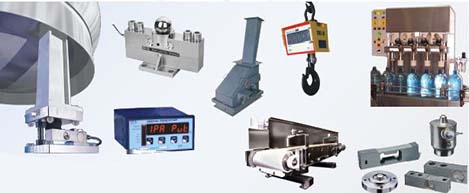 Process Weighing
  LED Lighting
  Omron
Omron
 Mitsubishi
 Delta
Delta
 Autonics
 Inno
Inno
 Panasonic
 Novotechnik
 Orientalmotor
 Microscan
 IPA
IPA
 Technomech
 Intech
 Honeywell
 IOT & Traceability
 Project & Panel Engg.
 Application Case Studies
 Solutions by Industry
 Solutions by Process
 Solutions by Product
 Youtube Videos
 Corporate Information
 Company Profile
 Quality Policy
 Mission Statement
 Chairman's Message
 Intech Group Companies