
Get to the root of your digestive issues with gut-brain therapy techniques that help you self-manage your gut symptoms in just 6-weeks.

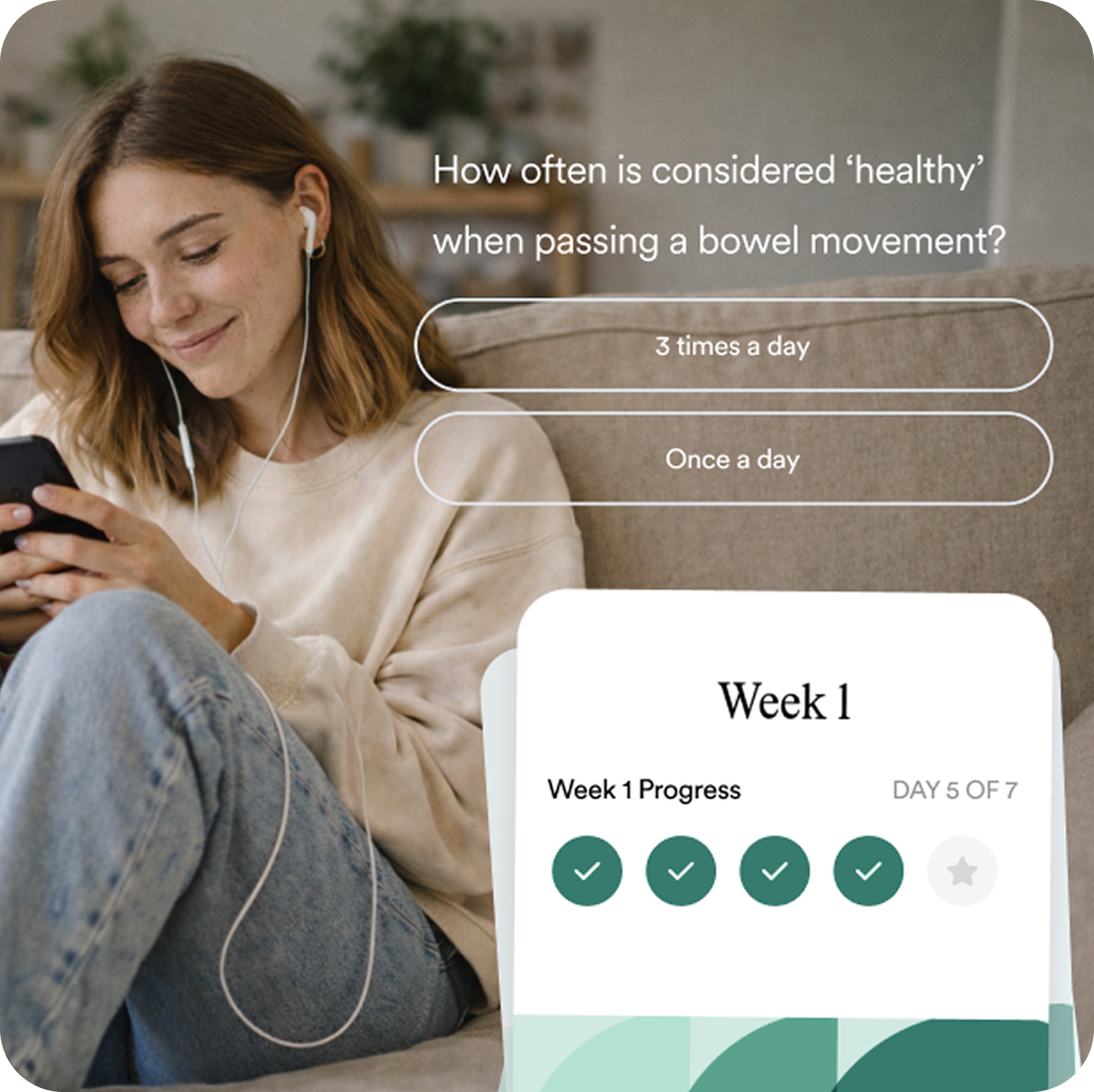


IBS, functional dyspepsia, functional constipation, and functional heartburn are now classified as gut-brain disorders - conditions driven by miscommunication between the gut and brain. The same gut-brain dysfunction also explains why many people with IBD continue to experience pain, constipation, or diarrhea even when their disease is in remission.
When the gut and brain fail to communicate properly, the body can misinterpret normal digestive processes as pain or discomfort. This heightened sensitivity, known as visceral hypersensitivity, can make the gut more reactive and contribute to gastrointestinal symptoms.


Nerva combines evidence-based gut-brain therapy techniques with real human support to help you self-manage symptoms, rebuild confidence, and get back to living fully.

The Nerva program was co-founded by Dr. Simone Peters, who ran a clinical trial with Monash University that found gut-brain therapy therapy worked just as well as the Low FODMAP diet in helping you participants well with and self-manage IBS.


Gut-brain therapy techniques targets the source of the problem: oversensitive nerves in the gut.

Gut-brain therapy techniques teaches you how to address this miscommunication between the gut and brain.

Gut-brain therapy techniques has been shown to help with constipation, diarrhea and mixed IBS.

Studies have shown gut-brain therapy techniques can help you achieve long-lasting IBS management.


Answer questions about you and your gut history to see if Nerva can work for you.

Daily gut-brain sessions, educational content, and goal oriented progress, tailored to your preferences.

Learn skills that can help you teach your brain to ignore false alarms from the gut triggered by food and stress.

Live the life you want, free from the control of digestive diseases.
.png)

Backed by 5+ studies including a randomized controlled trial.

9/10 members see meaningful progress in 4-6 weeks.

Learn skills focused on retraining the gut-brain axis.

Short daily sessions from the comfort of your home.

Moms are driving the viewership of complex, female-led dramas on streaming services. Shows featuring nuanced maternal figures navigating high-stakes situations—whether thriller, mystery, or dark comedy—have found a massive, passionate audience among women who demand sophisticated storytelling. 3. Passion-Driven Niche Communities
How many times has a mother felt a pang of shame for ignoring her laundry because she was finishing a "silly" romance novel? How often has she hidden her phone screen so her kids don't see the murder documentary she is watching?
The Rise of 'Pure Passion' Content: How Moms Are Redefining Popular Media moms anal orgasms pure passion 2021 xxx webd
Moms are the primary users of apps like "Choice" games or interactive Netflix specials. They love "choose your own adventure" because they spend their entire lives making choices for others; controlling a narrative is liberating.
The modern mother is a content connoisseur. Research shows that parents are more likely than the general public to use nearly every major streaming platform for their entertainment. This isn't just about passive viewing; it's an active, informed engagement. Whether it's the "Movie Moms" revisiting classic films through a maternal lens or the hosts of Pop Culture Moms analyzing how TV portrays motherhood, moms are engaging in a sophisticated, analytical form of media consumption. Moms are driving the viewership of complex, female-led
: Platforms often run features (like #momlight or #ProudMomMoments) that highlight the resilience, kindness, and individual creative drive of mothers. Popular Media Trends
Audiences are tired of unattainable perfection. They seek validation and entertainment in stories that mirror their own lives [2]. Passion-Driven Niche Communities How many times has a
The trajectory of popular media points toward an even deeper integration of authentic maternal voices. We are moving past the era where a "mom" is a singular marketing demographic. Instead, media executives and digital platforms are treating mothers as multifaceted individuals with diverse interests spanning politics, business, art, and pop culture.
: Mothers hold immense purchasing power. Entertainment that successfully captures their attention and trust directly influences consumer trends, making this demographic highly lucrative for advertisers and media networks. The Future of Media is Community-Driven
As we look forward, the intersection of technology and Mom’s passion will likely focus on . With the overwhelming amount of content available, mothers are looking for trusted voices to filter the noise. This makes "pure passion" the most valuable currency in media—audiences can sense when a creator truly cares about their community versus when they are simply chasing an algorithm.

"Hi, it's Alex, one of the founders of Nerva alongside Chris and Dr. Simone Peters.
We designed Nerva to help people with gut-brain disorders get back to a happy, normal life, free of flare-up worries. We're so proud of the fact that we've already helped over 300,000 people live better. Yet, we understand Nerva may not work for some people which is why we have a 100% money back guarantee.
If you finish your 6-week program and think Nerva hasn't helped you manage your symptoms, simply email support for a full refund of the Nerva program."
- Alex Naoumidis, Co-Founder and Co-CEO, Mindset Health


Based on studies that helped 3 in 4 people manage their gut symptoms.

15 minutes a day for 6 weeks. Short and relaxing sessions that fit with your schedule.

Discover helpful and calming flare-up exercises, like our deep breathing techniques.

Listen anytime and anywhere (home, office, couch, you name it).

Learn about gut-brain disorders with a range of easy to understand in-app articles.

Say bye to bots. We have real Nerva team members ready to help!
.svg)
.svg)


1) Anderson, Ellen J. BNutSci, MDiet1,2; Peters, Simone L. BSc (Psychophysiology) (Hons), PhD1; Gibson, Peter R. MBBS(Hons), MD1,2; Halmos, Emma P. BNutDiet, PGradDipBSc, PhD1,2. Comparison of Digitally Delivered Gut-Directed Hypnotherapy Program With an Active Control for Irritable Bowel Syndrome. The American Journal of Gastroenterology 120(2):p 440-448, February 2025. | DOI: 10.14309/ajg.0000000000002921 2) Peters, S. L., Yao, C. K., Philpott, H., Yelland, G. W., Muir, J. G., & Gibson, P. R. (2016). Randomised clinical trial: the efficacy of gut-directed hypnotherapy is similar to that of the low FODMAP diet for the treatment of irritable bowel syndrome. Alimentary pharmacology & therapeutics, 44(5), 447–459. https://doi.org/10.1111/apt.13706


