Trailer & Screenshots

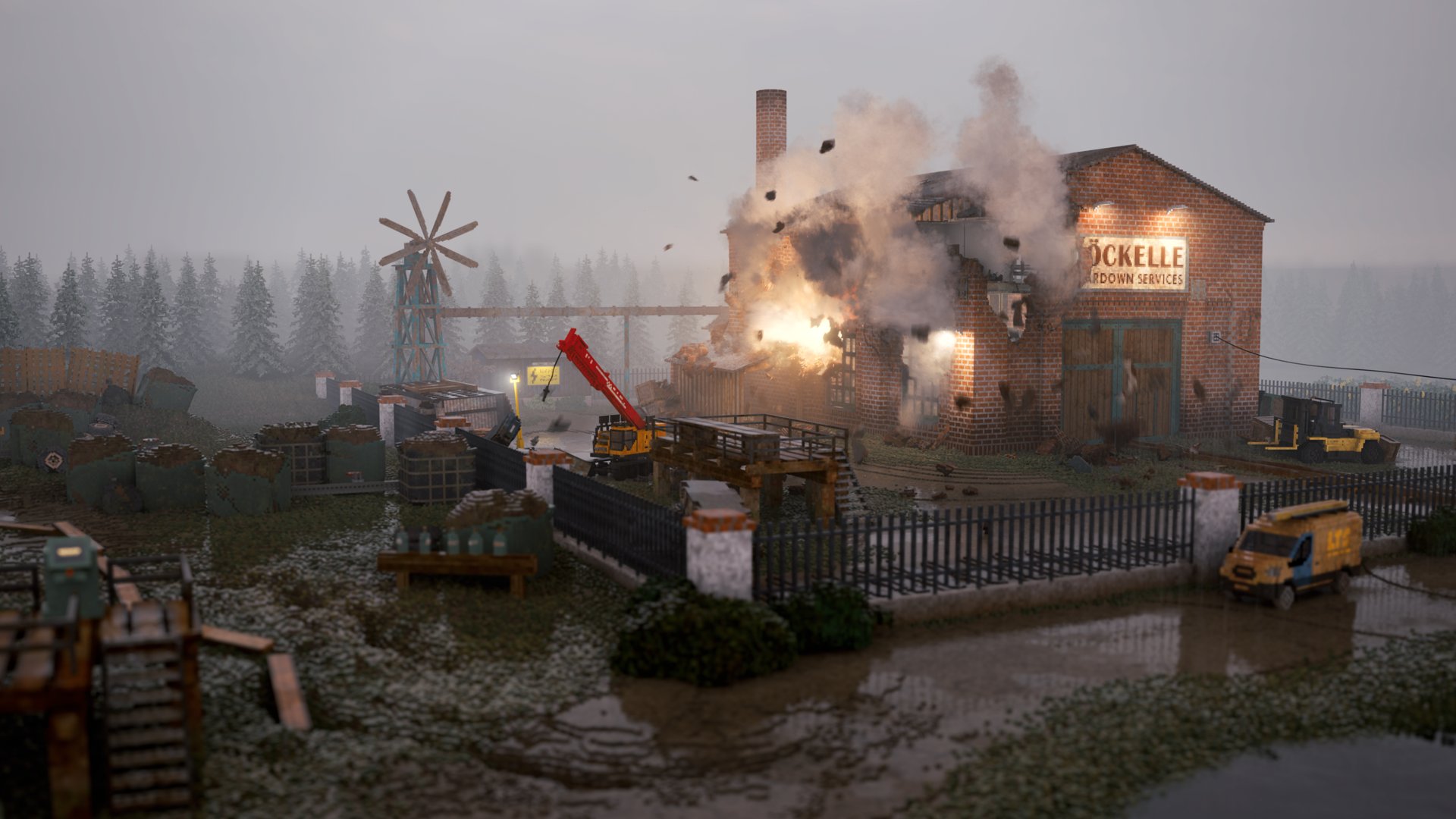

This information is intended for users who have opted into the Teardown Experimental branch and wish to explore Multiplayer prior to the official launch.
Please note that this is a one week open beta and that Teardown Multiplayer is still a work in progress!
Multiplayer Modding documentationRight-click on Teardown on Steam → Select Properties… → Go to Betas → Select experimental → Let it update and click on Play
 |
||||
|---|---|---|---|---|
| EDITION | STANDARD | DELUXE | ULTIMATE | SEASON PASS |
| BASE GAME |  |
|
|
|
| DLC - TIME CAMPERS | |
|
|
|
| DLC - FOLKRACE | |
|
|
|
| DLC - THE GREENWASH GAMBIT | |
|
||
| DLC 4* | |
|
||
| QUILEZ RO113R ROBOT | |
|
||
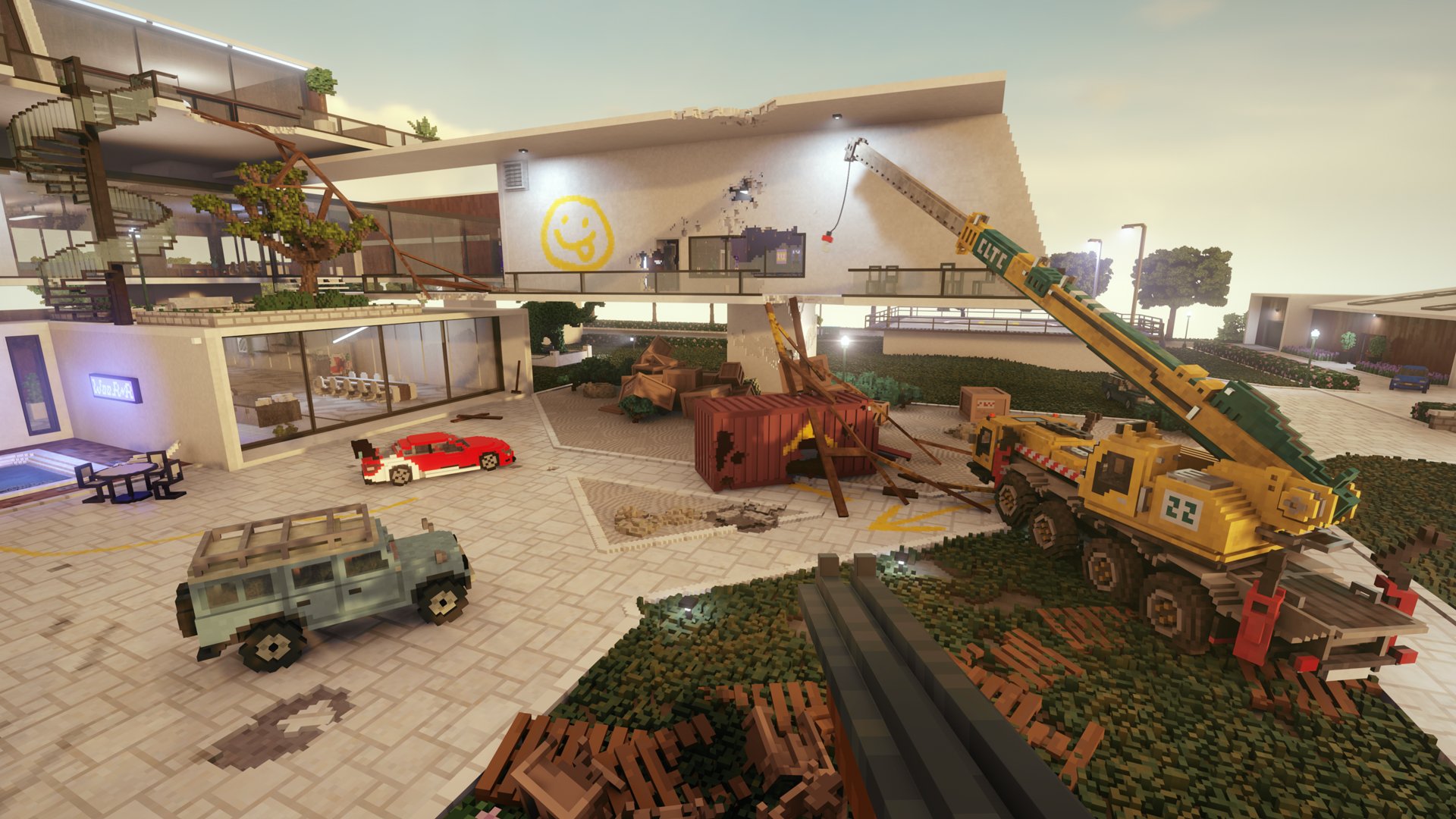
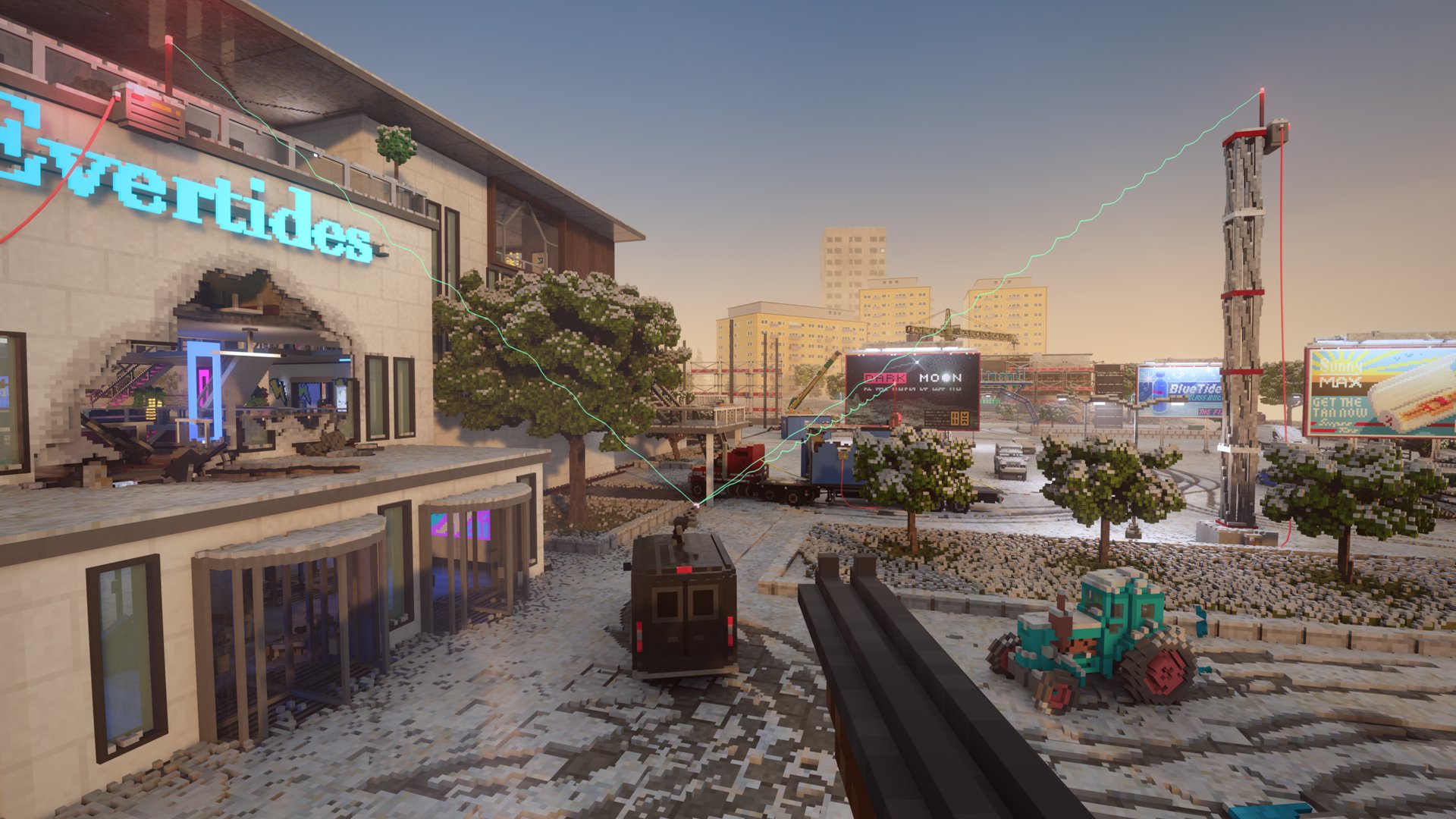
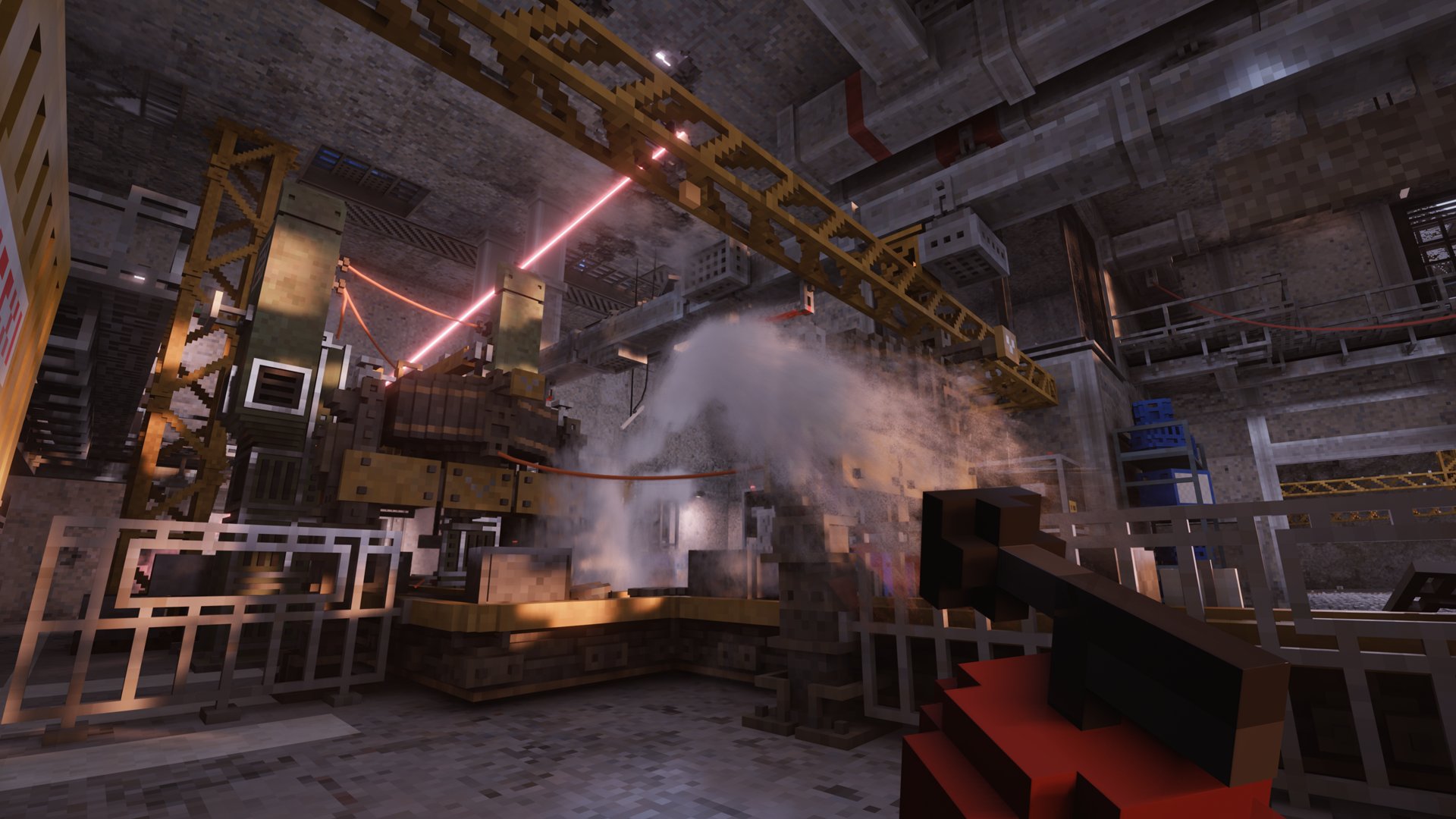
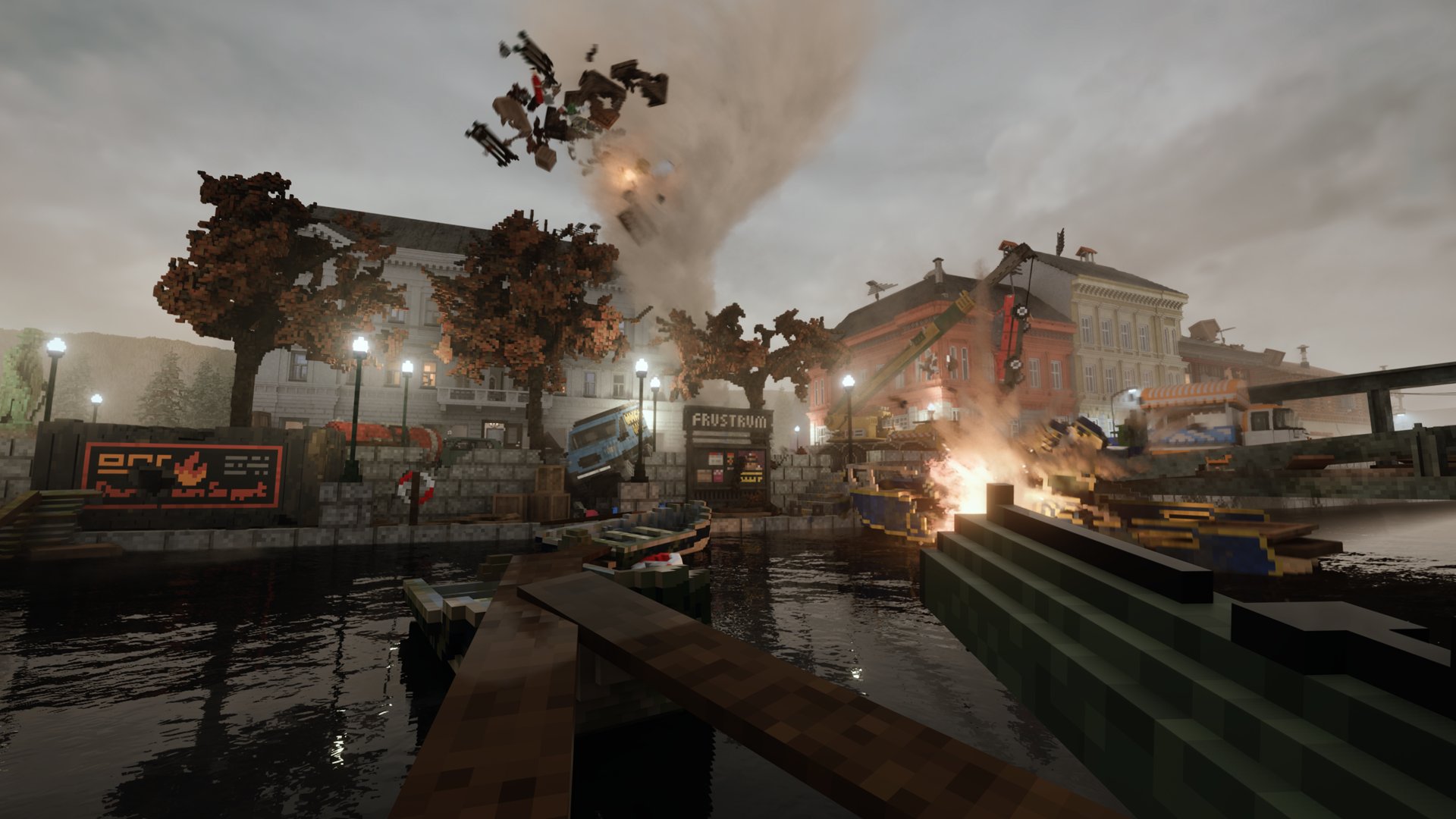
Plan the perfect heist using creative problem solving, brute force and everything around you. Teardown features a fully destructible and truly interactive environment where player freedom and emergent gameplay are the driving mechanics.
Tear down walls with explosives or vehicles to create shortcuts no one thought was possible. Stack objects, build structures or use floating objects to your advantage. Take your time to create an efficient path through the level, plan the heist and get ready to execute it.
Run, jump, drive, slingshot. Do whatever you need to collect targets, avoid robots or steal whatever your clients ask for. But make sure not to get caught!
Films like Stepmom (1998) laid the groundwork for this exploration, but recent cinema pushes the nuance further. The tension rarely stems from a lack of goodwill. Instead, it arises from the clashing of different family cultures, discipline styles, and histories.
Explore the of how these tropes shifted from the 1950s to today. Share public link
The complex social hierarchy that forms when step-siblings or half-siblings are introduced into the same living space.
A seminal example of this shift is Alfonso Cuarón’s Roma (2018), which, while set in the 1970s, exemplifies the modern cinematic approach to unconventional family units. The film highlights how a domestic worker and a abandoned mother form a blended, resilient matriarchy to raise children together. download hdmovie99 com stepmom neonxvip uncut99 link
Films like Step Brothers (2008), though exaggerated, tap into a very real psychological truth. They illustrate the regressive, territorial nature of adults and children alike when forced to share parental affection and domestic territory. The Co-Parenting Cold War and Truce
Historically, the blended family in cinema was a morality play in miniature. Fairy-tale archetypes—the wicked stepmother, the absent father, the resentful step-sibling—dominated. Disney’s Cinderella (1950) and Snow White (1937) cast stepmothers as vain, cruel obstacles to naturalized blood bonds. Even as late as 1998’s The Parent Trap , the stepmother figure (Meredith Blake) is a gold-digging caricature, designed to be outsmarted and expelled. The biological parent’s remarriage was framed as a threat to the “original” family unit.
Blended Family Dynamics in Modern Cinema The traditional nuclear family is no longer the sole blueprint for domestic life in modern society. As real-world demographics have shifted toward stepfamilies, co-parenting networks, and adoption, cinema has evolved to mirror these complex social structures. Modern filmmakers are moving away from the reductive tropes of the past—such as the "evil stepmother" or the permanently fractured home—to explore the nuanced, chaotic, and deeply rewarding realities of the blended family. The Evolution of the Cinematic Stepfamily Films like Stepmom (1998) laid the groundwork for
A between modern television and modern film structures
If you want to explore this topic further, I can adjust the angle of the content.
The earliest portrayals of step-relationships were defined by antagonism. Think The Parent Trap (1998) where stepmother Meredith is a gold-digging harpy, or Snow White , where the stepmother is a literal murderer. The turn of the millennium, however, began a slow humanization. Explore the of how these tropes shifted from
Realistic, chaotic dinner table scenes reflect the sensory overload of merging two distinct family cultures into one space. Why These Narratives Matter
I can tailor the analysis to match the exact or cinematic era you need.
The nuclear family is no longer the default baseline of Hollywood storytelling. As modern societal structures shift, contemporary filmmaking has increasingly turned its lens toward the complex, bittersweet, and deeply resonant world of step-parents, half-siblings, and chosen families.
Captain Fantastic (2016) inverts the blended dynamic entirely. Ben, a widowed father, has raised his six children in complete isolation from mainstream society. When they are forced to integrate with their wealthy, conventional grandparents, the film becomes a war of ideological blending. The grandfather is a stepparent to the entire clan. The film’s radical argument is that all families are blended—we are all negotiating between inherited values and chosen ones. The final shot, where the children compromise by attending school while maintaining their father’s rituals, is a manifesto for flexible, negotiated kinship.
Whether you are playing on PC or console or curious about what's coming with multiplayer, our FAQ has answers to the most common questions. It covers gameplay, platforms, features, and what to expect ahead of the multiplayer launch. We’ll keep updating it as new questions arise.
Contact us if you experience problems with the game and need technical support or have a business enquiry. Make sure to read the FAQ above first. You can also find many answers to questions by joining the offical Discord server