As skyscrapers grow taller and bridges span further, wind forces become the primary governing lateral load. Traditional code-based static wind pressures fail to capture complex aerodynamic behaviors like vortex shedding, aerodynamic instability, or wake interference from adjacent structures.
Traditional simplified analysis methods no longer suffice for these complex demands. Engineers must leverage advanced modeling techniques to predict real-world structural behavior accurately. This comprehensive guide explores the cutting-edge methodologies shaping modern structural design. 1. High-Fidelity Finite Element Analysis (FEA)
This comprehensive guide explores the state-of-the-art computational methodologies transforming structural engineering today. 1. Advanced Finite Element Method (FEM) Applications advanced modelling techniques in structural design pdf
Algorithms systematically remove material from low-stress zones within a defined design space. This produces organic, ultra-efficient structural forms that use the minimum amount of material necessary. 6. Building Information Modeling (BIM) Integration
: This numerical technique divides complex structures into smaller, manageable "elements" (meshing) to predict global behavior under stress, heat, or vibration Advanced FEA structural analysis (Part 1)|Skill-Lync . Advanced FEA software like Abaqus or ANSYS allows for non-linear geometric analysis and buckling studies crucial for long-span and tall structures (PDF) Advanced Modelling Techniques in Structural Design . As skyscrapers grow taller and bridges span further,
While advanced computational tools offer immense power, they introduce significant risks if mismanaged.
Advanced structural modelling does not happen in a vacuum. It is deeply integrated into the modern digital AEC (Architecture, Engineering, and Construction) ecosystem. Parametric and Generative Design This produces organic
Real-world materials behave non-linearly under extreme loads. Advanced FEM incorporates:
This data continuity forms the foundation of a —a virtual replica of the physical structure that continuously updates using real-world sensor data to monitor structural health throughout its lifecycle. 5. Implementation Challenges and Best Practices
Using smeared crack models or concrete damaged plasticity (CDP) to capture tension stiffening and compressive failure.
( For your success )
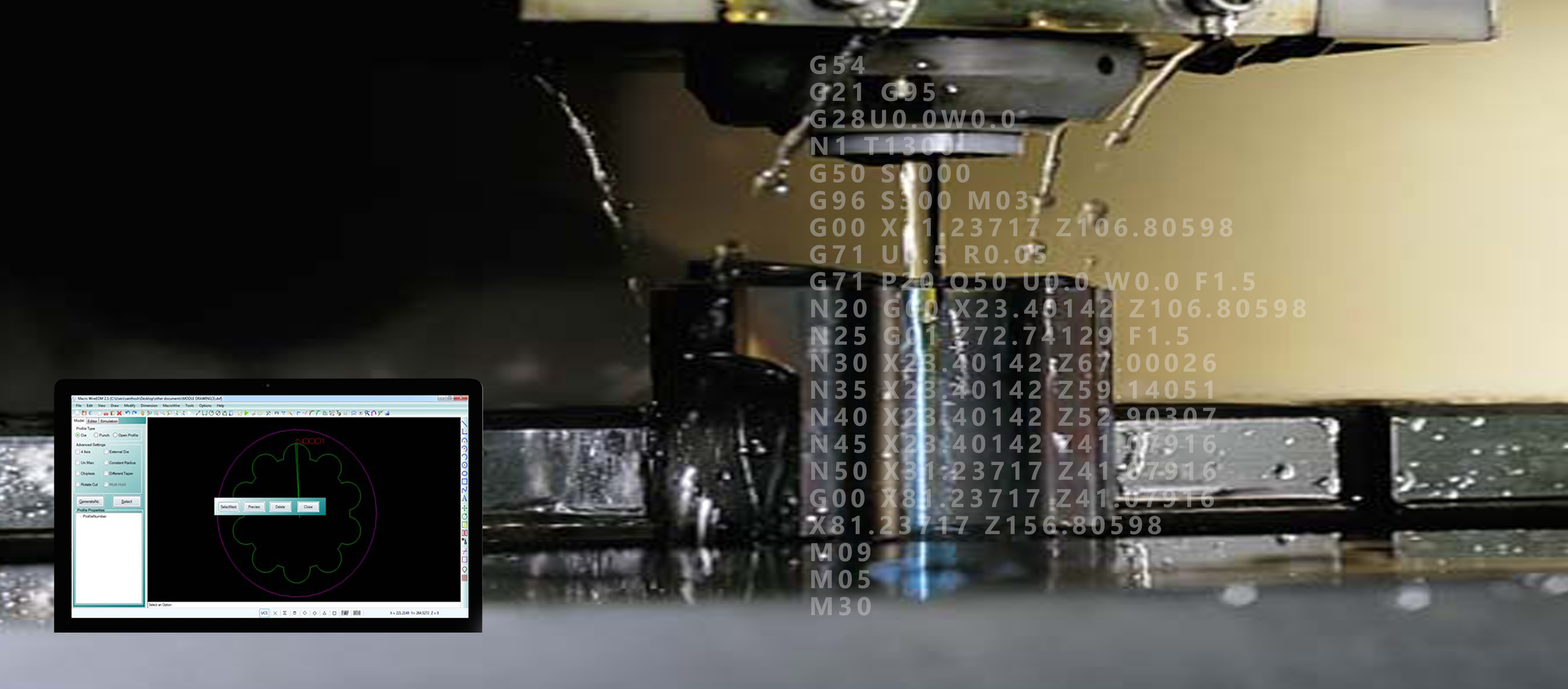
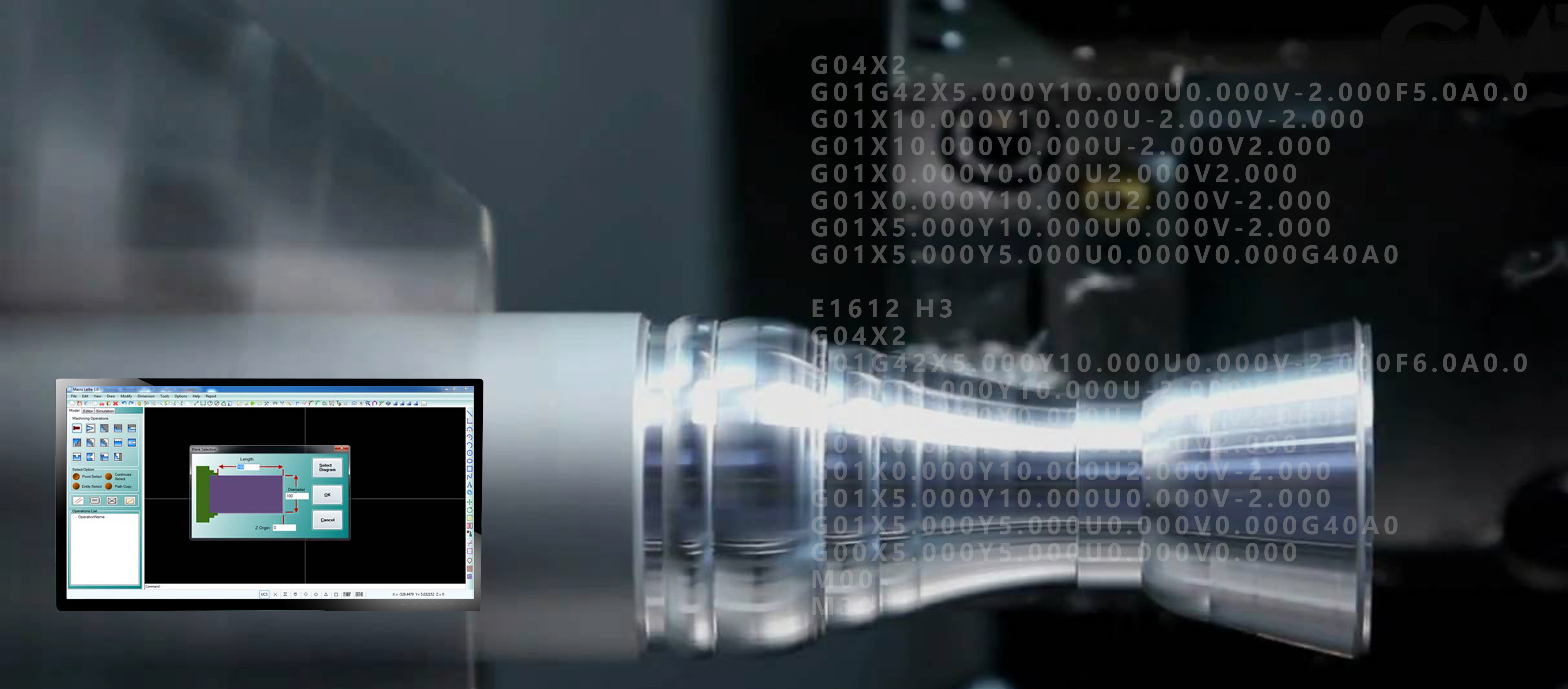
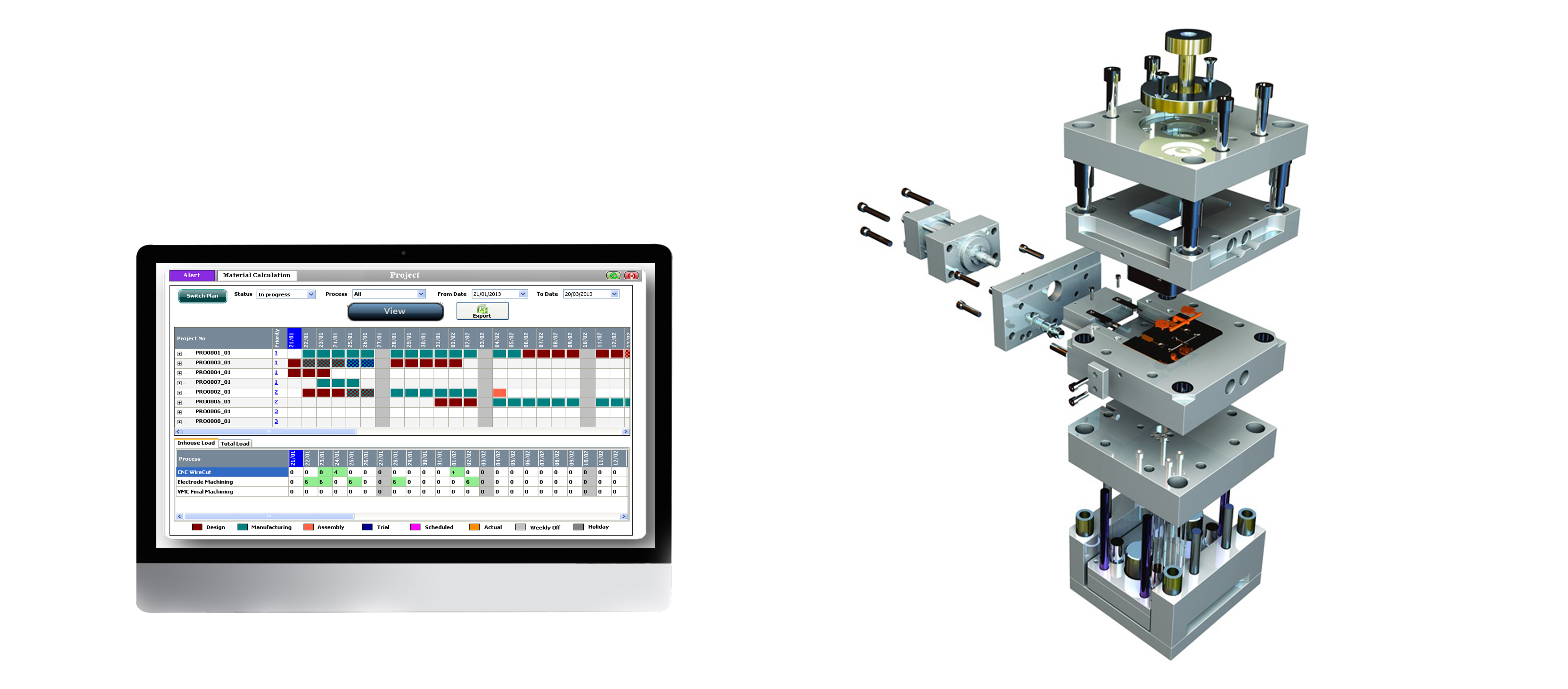
CAD MAcRO developing full of Engineering Solutions in India. We are having many customers all over world. The Engineering Solutions including CAM Solutions, Tool Room Management and Designing Solutions in for a Tool Room.
Our mission is to provide world class design and manufacturing solutions, thereby helping our customers to achieve quality and productivity by reducing th e cost and time to market.